how i use ai

At work I shape what models learn. At home I put them to work.

Local models on my laptop, coding agents working in parallel, harnesses that improve their own skills, and a library of skills I wrote myself. I've replaced about half of my consumer subscriptions with software I built this way.

01 · models

Local first

Qwen, Gemma and Microsoft’s Phi models run on my MacBook. Anything private, like budgets and my job search, never leaves the machine, and long jobs run overnight without an API bill. My Arabic dialects benchmark ran four models through more than 900 prompts each on this laptop.
02 · orchestration

My own orchestrator, built on Orca

I run coding agents in parallel with an orchestrator I built on the open-source Orca. Every agent gets its own git worktree and branch, so several can work in one repo without colliding, and I review their branches the way I’d review a team’s pull requests. This site was built in one of those worktrees.

03 · harnesses

The best harnesses, set up for self-improvement

The harness around a model decides as much as the model does, so I use the strongest ones I can find. Capy runs fleets of coding agents, each in its own cloud sandbox. Hermes, from Nous Research, writes a skill when it works out how to do something new and refines it the next time a similar task comes up. I run both for recursive self-improvement: agents that write, test and improve the tools they use, so each run starts ahead of the last.

04 · skills

Skills I wrote myself

A skill is a folder of instructions and scripts an agent loads only when it needs them. A few of mine:

  • malak-styleAn editor that checks my writing for em dashes, buzzwords, hedges, semicolon chains and machine rhythm, then fixes what it can. Every page on this site passed it.
  • substack-writerDrafts an essay in my voice from a topic or the day’s Hacker News, runs it through the style gate, and stages it as an unpublished draft for me to edit.
  • session-memorySaves what an agent learned in one session and loads it into the next, so context survives between tools and days.
  • startup-validatorTakes an idea from market and competitor research through user validation to a go or no-go call.

software instead of subscriptions

built for me and my family

A job search that runs itself

python · launchd · multi-agent

Every morning at 8, a scout checks job boards, funding news and newsletters and writes me a digest. When I pick a role, a multi-agent loop (a role reader, a strategist, a tailor and a recruiter reviewer) tailors my resume. A separate judge then scores every bullet against my own evidence bank, with a rubric and 24 calibration cases, and any doubt fails the gate. It drafts outreach but never sends it.

Budgeting without a budgeting app

saved in the browser

My own budgeting and expense-splitting apps. I import card transactions, review each purchase, and settle up with family at the end. Everything is saved in the browser, not on someone else’s server.

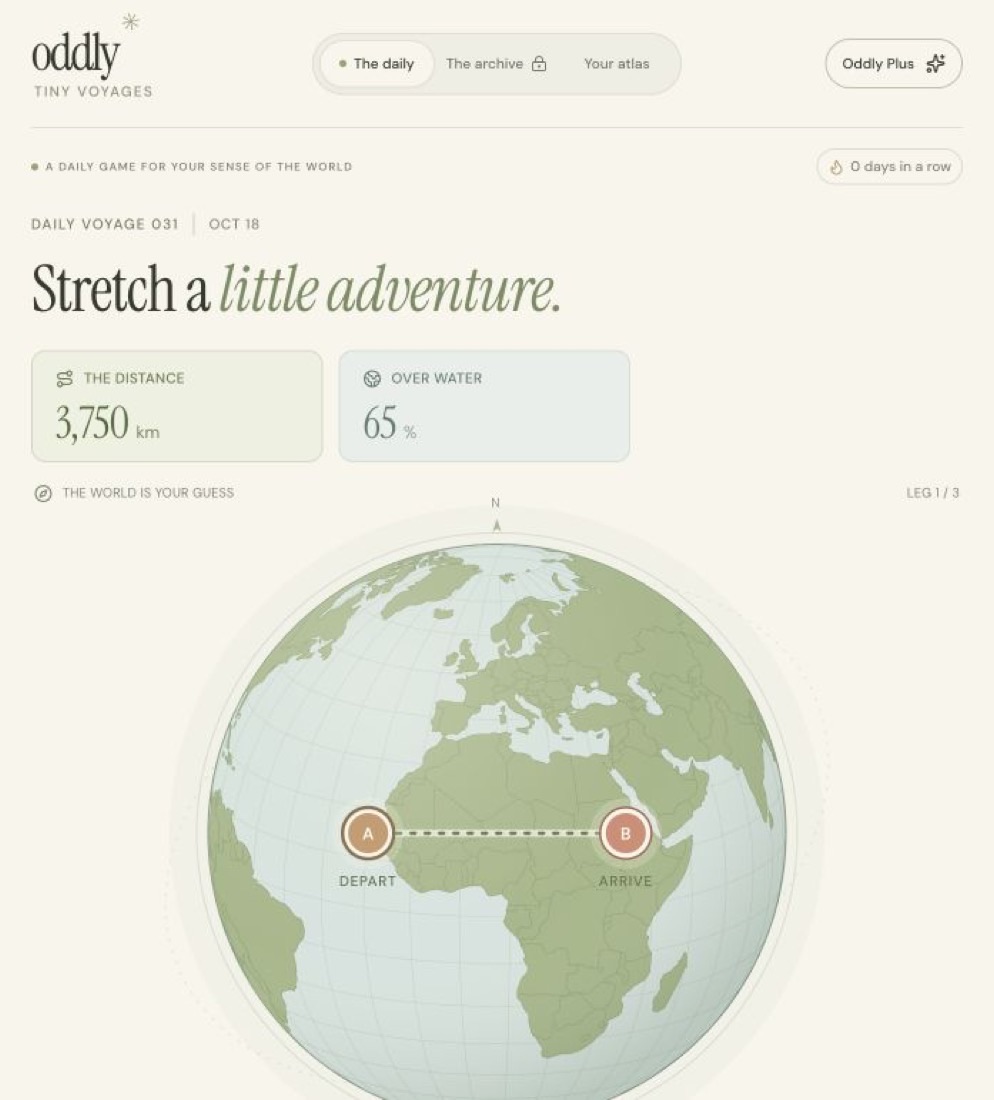
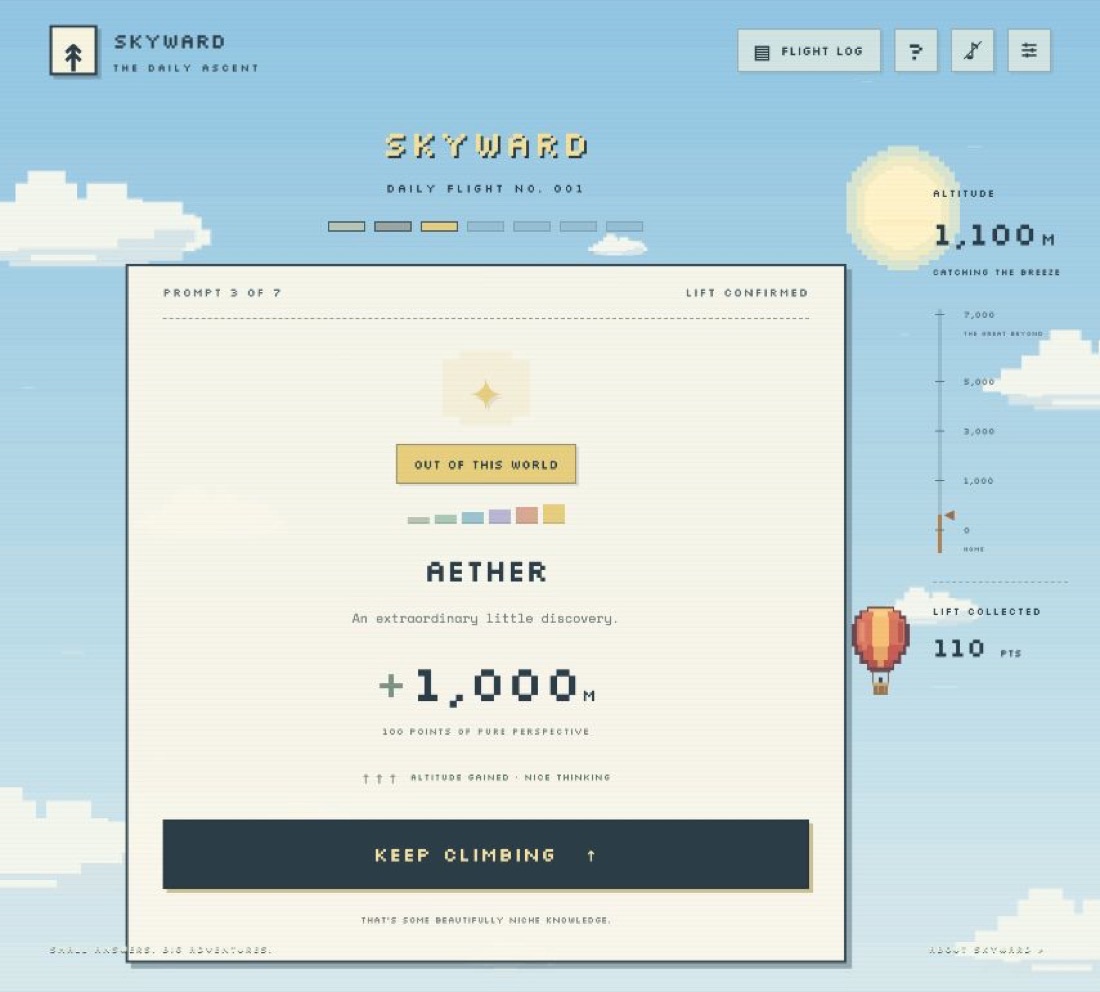
Tiny Voyages: a daily geography game with a globe, a 3,750 km distance target and a 65% over-water condition.Skyward: a pixel-art daily trivia climb showing prompt 3 of 7 and an altitude meter.

Our own NYT, without the paywall

daily games · built with Codex

NYT-style daily puzzles, so my family gets a new game every morning without another subscription. Tiny Voyages is a geography game played on a globe: six untimed rounds, 600 points. Skyward is a daily trivia climb with 112 prompts and nearly 19,000 accepted answers.